Opening a Nail Studio in Switzerland: Training, Costs and Permits (2026)
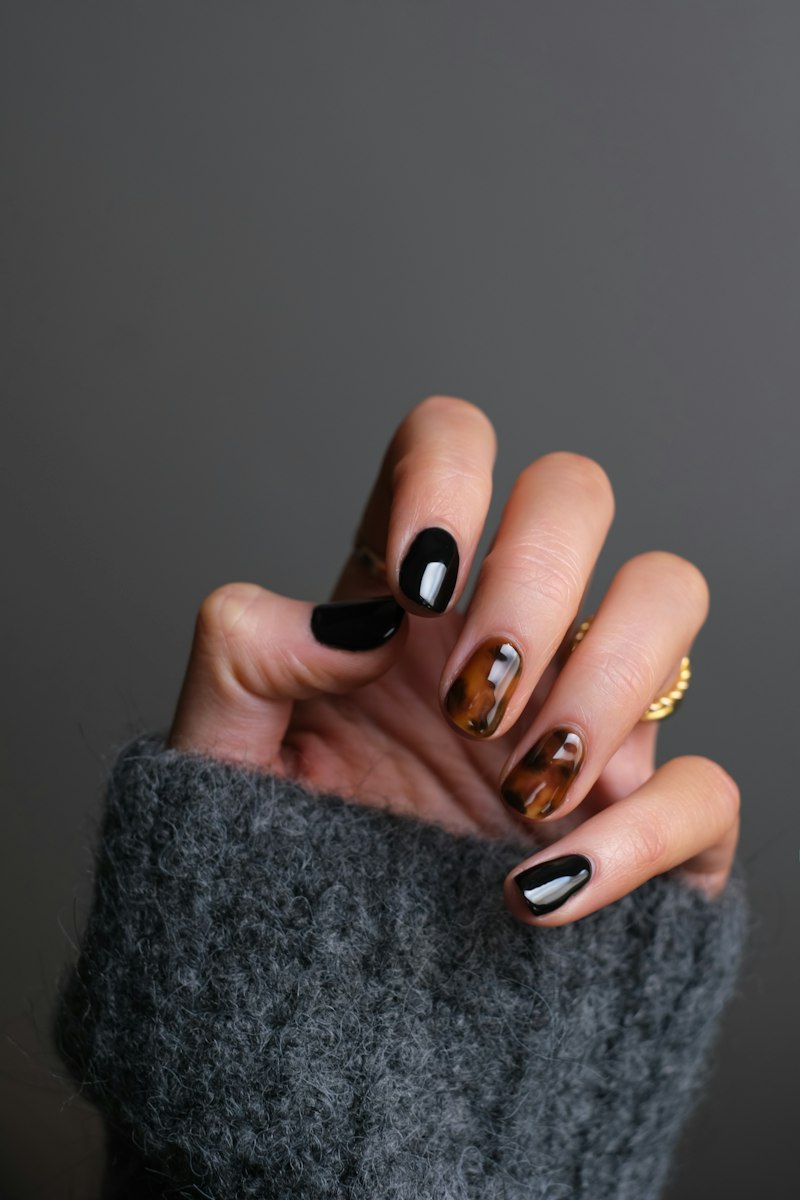
Nail art, gel nails, acrylic nails – demand for professional nail care and creative nail design is booming in Switzerland. More and more clients are regularly treating themselves to well-groomed nails, and social media is fueling the trend: Instagram feeds full of perfect French tips, chrome nails, and artistic designs are inspiring a growing audience. If you have skilled hands, an eye for aesthetics, and want to take the leap into self-employment, nail design offers an attractive career with low startup costs and high potential.
But before you apply your first coat of gel, there is a lot to consider. What training do you need? Do you need a permit? How much does your own studio cost? And how do you win your first clients? In this guide, you will learn step by step how to successfully open a nail studio in Switzerland in 2026.
Training and Qualifications: No Federal Diploma, but Quality Matters
Unlike the hairdressing profession, there is no federal diploma (EFZ) for nail design in Switzerland. The profession of nail designer is not federally regulated. This means there is no officially recognized apprenticeship and no protected professional title.
Instead, training is provided through private schools and course providers. The range of options is broad, from compact weekend courses to diploma programs lasting several months. Typical training content includes:
- Gel nails (gel modeling): Building, strengthening, and extending nails with UV or LED-curing gels
- Acrylic nails (acrylic modeling): Classic technique using liquid and powder
- Nail art: Designs, stamping, foils, glitter, ombre, and more
- Manicure: Classic and machine-assisted manicure, cuticle care
- Hygiene and safety: Sterilization, disinfection, skin protection
- Materials knowledge: Differences between gel and acrylic systems, allergy risks
Duration and cost of training:
- Intensive courses (1-2 weeks): CHF 1,000 - 3,000, ideal as an introduction to a specific technique
- Diploma programs (3-6 months): CHF 4,000 - 8,000, comprehensive training in multiple techniques
- Individual courses per technique: CHF 500 - 1,500 per module
Important: There is no legal requirement in Switzerland to complete training before opening a nail studio. Nevertheless, solid training is indispensable for several reasons: you work directly on your clients' hands, and mistakes can lead to nail fungus, allergic reactions, or injuries. Furthermore, clients increasingly expect proof of your qualifications.
Some industry associations offer recognized certificates, such as the Swiss Nail Association or international bodies. While these certificates are not legally required, they strengthen your credibility and help with marketing.
Permits and Regulations: What You Need to Know
The good news: nail design is a fundamentally unregulated profession in Switzerland. You do not need a cantonal professional practice permit to open a nail studio. Unlike medical professions or certain therapy fields, no government authorization is required.
However, there are regulations and framework conditions that you must know and follow:
Hygiene and health protection:
- Instrument sterilization: All reusable metal instruments (cuticle pushers, scissors, nippers) must be sterilized after each client, ideally in an autoclave. Files and buffers are single-use products or must be stored client-specifically.
- Ventilation and extraction: Working with acrylic and gel produces chemical fumes (monomers, solvents) that are harmful to health. A professional table extraction unit and good room ventilation are essential – for your own health and that of your clients.
- Dust protection: Filing and drilling produce fine dust. An extraction system at the work table is a must for healthy working conditions.
- Waste disposal: Chemical products (acetone, solvents, old gels) must not be disposed of in regular household waste. Check with your municipality about the correct disposal of hazardous waste.
Official inspections:
- In some cantons, the food safety authority (cantonal health police) may also inspect nail studios, particularly regarding hygiene and cleanliness.
- Inspections can occur unannounced. Therefore, always have a written hygiene concept ready.
Building permits:
- If you want to operate your nail studio from an apartment (home studio), check whether a change-of-use permit is needed. In many municipalities, commercial use of residential space requires a permit.
- Clarify this with your municipality or building administration. Your rental contract must also allow commercial use.
Legal Structure and Registration: The Administrative Steps
For most nail designers, the sole proprietorship (Einzelfirma) is the most sensible legal form. It is straightforward, free to establish, and perfect for getting started:
- No minimum capital required
- No commercial register obligation below CHF 100,000 annual revenue (voluntary registration possible)
- Simple bookkeeping (income/expense accounting is sufficient)
These steps are necessary:
- AHV registration as self-employed: Register with your cantonal compensation office (Ausgleichskasse) as self-employed. You will need proof of your self-employment (invoices, client list, rental contract).
- Value added tax (VAT): Only from an annual turnover of CHF 100,000 do you need to register with the FTA for VAT. Below this threshold, you are exempt – a significant advantage in the startup phase.
- Pension fund: As a self-employed person, you are not subject to mandatory occupational pension (BVG) contributions. Building private retirement savings (pillar 3a) is therefore all the more important.
- Accident insurance: As a self-employed person without staff, you are not subject to mandatory accident insurance (UVG). However, voluntary accident insurance through Suva or a private provider is highly recommended.
If you later want to grow and employ staff, switching to an LLC (GmbH) may make sense. But for getting started, a sole proprietorship is the right choice in the vast majority of cases.
Cost Overview: What You Need to Get Started
One of the biggest advantages of a nail studio: the startup costs are comparatively low. Especially with a home studio, you can get started with minimal capital. Here is an overview of the key cost items:
| Item | Cost (CHF) |
|---|---|
| Training (course / diploma) | 1,000 - 8,000 |
| Work table with extraction | 300 - 1,500 |
| UV/LED lamp | 50 - 300 |
| Drill / E-file | 100 - 500 |
| Gel, acrylic, materials (starter set) | 300 - 1,000 |
| Chairs (client + nail designer) | 200 - 800 |
| Rent (per month) | 500 - 1,500 |
| Furnishing and decoration | 1,000 - 5,000 |
| Professional liability insurance (per year) | 150 - 300 |
| Marketing and website | 500 - 1,500 |
Total costs by scenario:
- Home studio (minimal version): CHF 2,000 - 5,000. You work from home, need no rent, and invest in basic equipment and training.
- Own studio (dedicated space): CHF 8,000 - 20,000. Including rent, furnishing, professional equipment, and marketing.
Compared to a hair salon or beauty studio, the startup costs are significantly lower. This makes entering the field attractive even for career changers.
Location and Setup: Where and How You Work
Your choice of location has a major impact on your success. For nail studios, there are essentially three models:
1. Home studio
Many nail designers start from home. This is the most cost-effective entry point and perfect for gaining initial experience and building a client base. Requirements:
- Separate room (not the living room – a professional appearance is important)
- Good ventilation and extraction
- Rental contract or ownership allows commercial use
- Municipality permits commercial use of residential space
2. Dedicated studio space
A dedicated space on a busy street or in a shopping center offers walk-in traffic – a decisive advantage for nail studios. Clients often spontaneously decide on a manicure when they see a studio. Pay attention to:
- Good visibility and foot traffic
- Adequate room size (at least 15-20 m2 per workstation)
- Professional setup: clean, bright atmosphere
- Good accessibility by public transport or nearby parking
3. Chair rental
A clever option: you rent a workstation in an existing beauty or hair salon. Advantages:
- Low fixed costs (CHF 300 - 800 per month)
- Use existing infrastructure
- Potential clients who already visit the salon
- No risk of a long-term lease
Equipment and setup:
Regardless of location, you need the following basic equipment:
- Professional nail table with integrated or separate extraction system
- Ergonomic chairs for you and your clients (you sit for hours – invest in quality!)
- UV/LED lamp for curing gel
- E-file (drill) for professional preparation and shaping
- Good work light (LED ring light or desk lamp)
- Sterilizer/autoclave for metal instruments
- Storage cabinet for gels, polishes, brushes, and consumable materials
Marketing and Client Acquisition: How to Get Visible
In the nail studio business, visual marketing is everything. Your work speaks through images – and that is exactly what makes Instagram the most important marketing channel for nail designers.
Instagram – your digital shop window:
- Before and after photos: Show the transformation. Clients love seeing the difference.
- Nail art showcases: Post your best designs. Creative sets, seasonal trends, wedding nails – anything that attracts attention.
- Stories and Reels: Short videos of the work process are extremely popular. Show how a gel set comes together.
- Consistency: Post regularly (at least 3-4 times per week). A cohesive feed look strengthens your branding.
TikTok – for the younger audience:
If you want to reach a younger audience (18-30), TikTok is a must. Nail art videos regularly go viral here. Authentic, unpolished clips often perform better than perfectly produced content.
Google Business Profile:
Create a free Google Business Profile. When someone searches for "nail studio near me," you want to be found. Pay attention to:
- Complete information (address, opening hours, phone number)
- Professional photos of your studio and your work
- Active reviews: ask satisfied clients for a Google review
Pricing – what is standard in the market?
| Treatment | Price Range (CHF) |
|---|---|
| Classic manicure | 40 - 70 |
| Gel manicure / Shellac | 60 - 120 |
| Gel extensions (new set) | 100 - 180 |
| Acrylic new set | 100 - 180 |
| Infill (refill) | 60 - 100 |
| Nail art (per nail, depending on complexity) | 5 - 30 |
Prices vary significantly by region, experience, and positioning. In Zurich, Geneva, or Basel, prices are at the higher end; in more rural areas, they tend to be lower. Important: calculate your prices to cover your costs and achieve a reasonable hourly rate – not based on what the competition charges.
Insurance and Retirement Planning: Your Safety Net
As a self-employed person, you bear the financial risk yourself. The right insurance gives you security and protects you from unexpected costs.
Mandatory insurance and contributions:
- AHV/IV/EO: Approximately 10% of your net income. Contributions are paid directly to the compensation office.
- Health insurance (KVG): Mandatory for everyone in Switzerland. As a self-employed person, you pay the full premium yourself.
Recommended insurance:
- Professional liability insurance: CHF 150 - 300 per year. Protects you if a client is harmed by your treatment (e.g., allergic reaction, nail injury). This insurance is a must.
- Accident insurance (voluntary): As a self-employed person without staff, you are not subject to mandatory accident insurance (UVG). Voluntary accident insurance covers treatment costs and loss of earnings in case of accidents. Cost: approximately CHF 1,000 - 2,500 per year.
- Daily sickness benefits insurance: Pays you a wage replacement if you cannot work due to illness. Particularly important since as a nail designer you work directly with clients and have no income when sick.
- Business insurance / property insurance: Protects your furnishings and equipment against theft, fire, or water damage.
Retirement planning:
- Pillar 3a: Use the annual maximum amount (currently CHF 36,288 for self-employed persons without a pension fund) to save for retirement in a tax-advantaged way.
- Voluntary pension fund: If you remain self-employed long-term, consider voluntary enrollment in a pension fund or another form of second-pillar savings.
Checklist: Opening a Nail Studio in Switzerland
To help you keep track, here is your step-by-step checklist:
- Complete training: Take gel, acrylic, and manicure courses at a recognized school. Secure certificates.
- Gain practice: Practice on friends, family, and models before receiving paying clients.
- Choose legal form: Establish a sole proprietorship (usually the best choice to start).
- AHV registration: Register with the cantonal compensation office as self-employed.
- Decide on location: Home studio, dedicated space, or chair rental – depending on budget and ambition.
- Clarify permits: Check change-of-use permits (home studio), review rental contract.
- Procure equipment: Nail table with extraction, UV/LED lamp, drill, materials, chairs.
- Create hygiene concept: Document sterilization processes, disinfection plan, waste disposal.
- Take out insurance: Professional liability, voluntary accident insurance, daily sickness benefits.
- Build marketing: Create Instagram profile, set up Google Business Profile, build portfolio.
- Calculate prices: Calculate all costs and set realistic prices.
- Set up bookkeeping: Start simple income/expense accounting, collect receipts from the beginning.
- Win first clients: Friends circle, social media, opening offers, referrals.
Your Next Step
Opening a nail studio in Switzerland is achievable – even on a small budget. The low startup costs, growing market, and possibility of starting from home make this profession particularly attractive. What matters most is that you learn your craft well, work hygienically, and present yourself professionally from the start.
Our free guides cover all professions: massage, beauty, nail studio, and hairdressing – from registration to equipment to your first clients. Start now and turn your hobby into a career.
Ready for your professional online presence?
smedium brings self-employed professionals online: website, branding and Google visibility, all in one place.
Book a free consultation